Fractured Foundations: How Raw Material Shortages and Geopolitical Pressures Are Disrupting America's Sintering Supply Chain
For many process engineers and plant managers, the sintering furnace represents the heart of their operation — the critical threshold where compressed powder becomes a finished, functional component. But an increasingly urgent problem is forming well upstream of that thermal event. Across the United States, manufacturers dependent on sintered parts are discovering that their most sophisticated production plans are collapsing not from process failures, but from an inability to secure the raw materials and specialized equipment required to begin.
The sintering supply chain, long treated as a background concern relative to furnace optimization and process chemistry, is now commanding front-office attention. Procurement managers who once placed routine orders for metal powders, ceramic binders, and pressing dies are navigating a procurement landscape that bears little resemblance to the one they managed five years ago.
The Raw Material Problem Runs Deeper Than Most Realize
Tungsten, molybdenum, cobalt, and rare earth oxides are not commodities in the conventional sense. They are extracted from a narrow band of global deposits, refined by a small number of processors, and distributed through supply chains with remarkably little redundancy. According to the U.S. Geological Survey, China currently accounts for more than 80 percent of global tungsten production — a statistic that carries significant weight for American manufacturers of cemented carbide tooling and wear-resistant sintered components.
The concentration problem extends beyond tungsten. Cobalt, essential to many hard metal sintering formulations, flows predominantly through the Democratic Republic of Congo and is refined largely in China. Molybdenum, prized for its role in high-temperature sintering applications, is subject to export restrictions that shift with diplomatic conditions. For procurement teams navigating these realities, the phrase "strategic sourcing" has taken on a weight it rarely carried a decade ago.
"We used to think about lead time in weeks," said one procurement director at a mid-size precision components manufacturer in the Midwest, who requested anonymity due to ongoing supplier negotiations. "Now we think about it in quarters, and even that assumes nothing changes geopolitically between now and delivery."
Specialized Equipment: A Secondary Bottleneck Gaining Ground
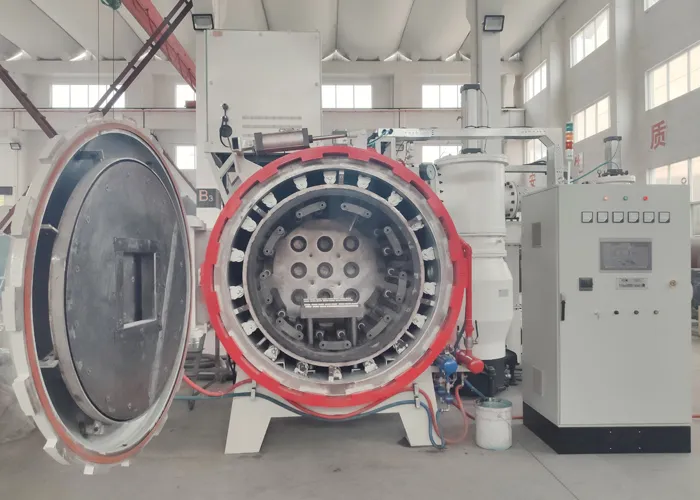
Raw material scarcity is only part of the story. The capital equipment required to support sintering operations — vacuum furnaces, hot isostatic pressing systems, powder handling infrastructure — is manufactured by a limited number of global suppliers, several of whom are based in Europe and Japan. Lead times on new furnace installations have extended dramatically since 2021, with some manufacturers reporting waits of eighteen months or longer for critical thermal processing equipment.
Domestic furnace manufacturers exist and are expanding capacity, but the supply base remains thin relative to industrial demand. Replacement components for aging equipment present an additional challenge. Proprietary control systems, refractory linings engineered to precise tolerances, and specialized heating elements often route through single-source suppliers, creating fragility at the maintenance level even when primary equipment is operational.
For smaller job shops and contract manufacturers, this dynamic is particularly punishing. Unlike large vertically integrated producers, they typically lack the purchasing leverage to secure priority delivery or the capital reserves to stockpile critical spares.
Transportation Disruptions Add Compounding Pressure
The logistical dimension of the sintering supply chain has also grown more precarious. Metal powders and certain sintering additives are subject to hazardous materials shipping classifications that limit carrier options and add cost and complexity to routing. Port congestion events — which disrupted West Coast and East Coast terminals repeatedly between 2020 and 2023 — demonstrated how quickly ocean freight delays translate into halted production lines for manufacturers with lean inventory practices.
Rail freight, once a reliable domestic alternative for bulk powder shipments, has faced its own capacity and reliability challenges. Trucking networks capable of handling specialized industrial cargo have tightened as driver shortages persist. Taken together, these transportation pressures mean that even when raw materials are technically available, getting them to the point of use has become a non-trivial operational problem.
Manufacturers Are Responding — But Adaptation Takes Time
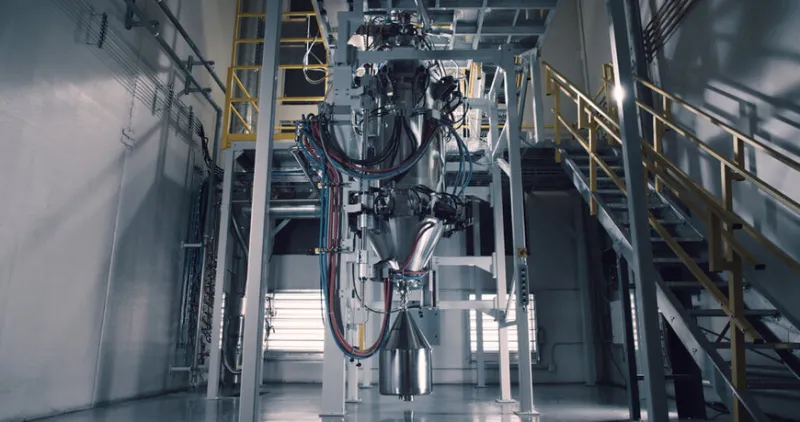
The industry is not standing still. A growing number of sintering-dependent manufacturers are investing in domestic powder production partnerships, seeking to reduce their exposure to imported feedstocks. Several American universities and national laboratories have expanded research programs focused on alternative powder synthesis routes that draw on more domestically available precursor materials.
Dual-sourcing strategies — long standard in other manufacturing sectors but historically underutilized in sintering due to tight material specifications — are gaining traction. Some manufacturers are qualifying secondary suppliers for powder grades that previously had only a single approved source, accepting modest performance trade-offs in exchange for supply security.
Inventory philosophy is also shifting. The just-in-time model, which optimized working capital at the expense of buffer stock, is being reconsidered. Several large-volume sintering operations are moving toward strategic inventory positions on critical powders, treating stored material as a form of supply chain insurance rather than a balance sheet liability.
Building Domestic Resilience: A Policy and Industry Imperative
The structural vulnerabilities in the sintering supply chain are not problems that individual manufacturers can resolve in isolation. Industry associations, federal procurement agencies, and materials research institutions all have roles to play in strengthening the domestic supply base.
The Department of Energy's critical materials programs and the Department of Defense's industrial base resilience initiatives have begun directing funding toward domestic powder metallurgy capacity, though observers note that the pace of investment remains modest relative to the scale of the exposure. Legislative frameworks like the CHIPS and Science Act have demonstrated a model for strategic industrial investment that some supply chain advocates argue should be extended to critical materials manufacturing.
For plant managers and operations leaders reading this, the practical implication is clear: supply chain risk in sintering is no longer a procurement department problem. It is a strategic business risk that demands cross-functional attention, longer planning horizons, and a willingness to absorb some cost inefficiency in exchange for operational continuity. The furnace, for all its complexity, is only as reliable as the supply chain feeding it.